Agenda
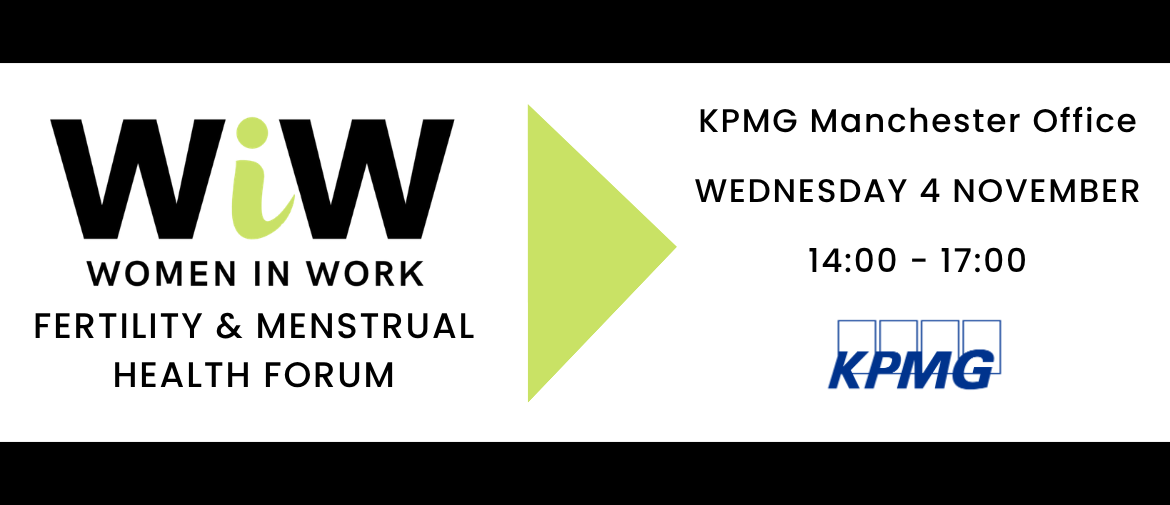
Join us at KPMG Manchester, 2-5.30pm, for the Women in Work Fertility & Menstrual Health Forum, bringing together business leaders, HR professionals, clinical experts and employers to explore how menstrual health conditions, fertility treatment and pregnancy loss affect people at work.
Through expert insights, lived experiences and practical examples, we'll look at the challenges employees face, employers' legal responsibilities and what leading organisations are doing differently.
From workplace policies and manager awareness to flexibility, culture change and meaningful support, the Forum will help employers understand where to start and how even small changes can make a real difference to their people and their business.
Keep an eye on this agenda, speakers to be announced soon.
14:00–14:20 | The Talent We Cannot Afford to Lose
-
Women in Work will frame why fertility, menstrual health and miscarriage are workplace and business issues – not simply private health matters. Short lived-experience stories will reveal what may sit behind an ordinary working day: pain, appointments, treatment cycles, uncertainty, pregnancy loss and the pressure to continue performing as normal.
14:20–14:45 | Why This Matters: Health, Work and the Business Case
-
How menstrual-health conditions, fertility treatment and pregnancy loss can affect attendance, wellbeing, confidence, progression and retention. This opening conversation should establish why meaningful support is good for women and good for business.
14:45–15:10 | The Legal Lens: In Practice
-
Practical guidance for employers on discrimination, pregnancy protections, sickness absence, flexible working, reasonable adjustments, confidentiality and data protection. It should also explore how organisations can create inclusive policies without making assumptions about sex, gender, sexuality, relationship status or family structure.
15:10–15:35 | Periods at Work: Breaking the Silence
-
A focused conversation about periods and conditions including endometriosis, adenomyosis and PCOS. What do employees need when symptoms are painful, debilitating or unpredictable? How can employers challenge stigma, equip managers and provide practical support without requiring employees to disclose more than they wish?
15:35–16:00| Coffee & Networking Break
-
Step away from the stage, stretch your thinking, and carry the conversation into the room. Some of the most useful exchanges of the day happen here. Get a coffee. Make a connection.
16:00–16:25| Fertility at Work: The Reality Behind the Treatment
-
A clinical scene-setter explaining what treatment may involve: investigations, repeated appointments, medication, procedures, recovery, uncertainty and unsuccessful cycles. The wider conversation will explore how employers can support patients and partners through different routes to parenthood, including LGBTQ+ colleagues, solo parents and donor-conception families.
16:25–16:50| Miscarriage and Pregnancy Loss: Compassion in Practice
-
What does someone experiencing miscarriage or pregnancy loss need from their employer, and how should a manager respond? This session will cover compassionate leave, flexibility, returning to work, privacy, language and support for partners, while recognising that every experience is different.
16:50-17:15| What Leading Employers Are Doing Differently
-
A candid discussion with leading employers about what has worked, what employees value and where challenges remain. This should move beyond policy to consider manager confidence, flexibility, communications, benefits, specialist support and whether employees genuinely feel safe asking for help.
17:15-17:30| Closing Conversation: What Good Support Looks Like
-
Drawing together the clinical evidence, lived experience, legal guidance and employer examples shared during the Forum. Central question: If there is one thing every employer should do differently to better support menstrual health, fertility and miscarriage, what would it be?