
Wednesday 7th October, LinkedIn Experience Centre, London
The Implementation Forum, hosted for the first time at LinkedIn's London Experience Centre, was dedicated to the practical work of change. It focused on the workplace realities that impact women’s ability to stay, progress and thrive, and showcased the organisations already taking meaningful action.
Through case studies, lived experience, and applied solutions, it explored what employers can do now to better support women through key life stages, create more inclusive cultures, and turn intention into measurable progress. Our time here culminated in the launch of the 2026 GEM Report, bringing together the evidence and examples that define what good looks like now for Women in Work.
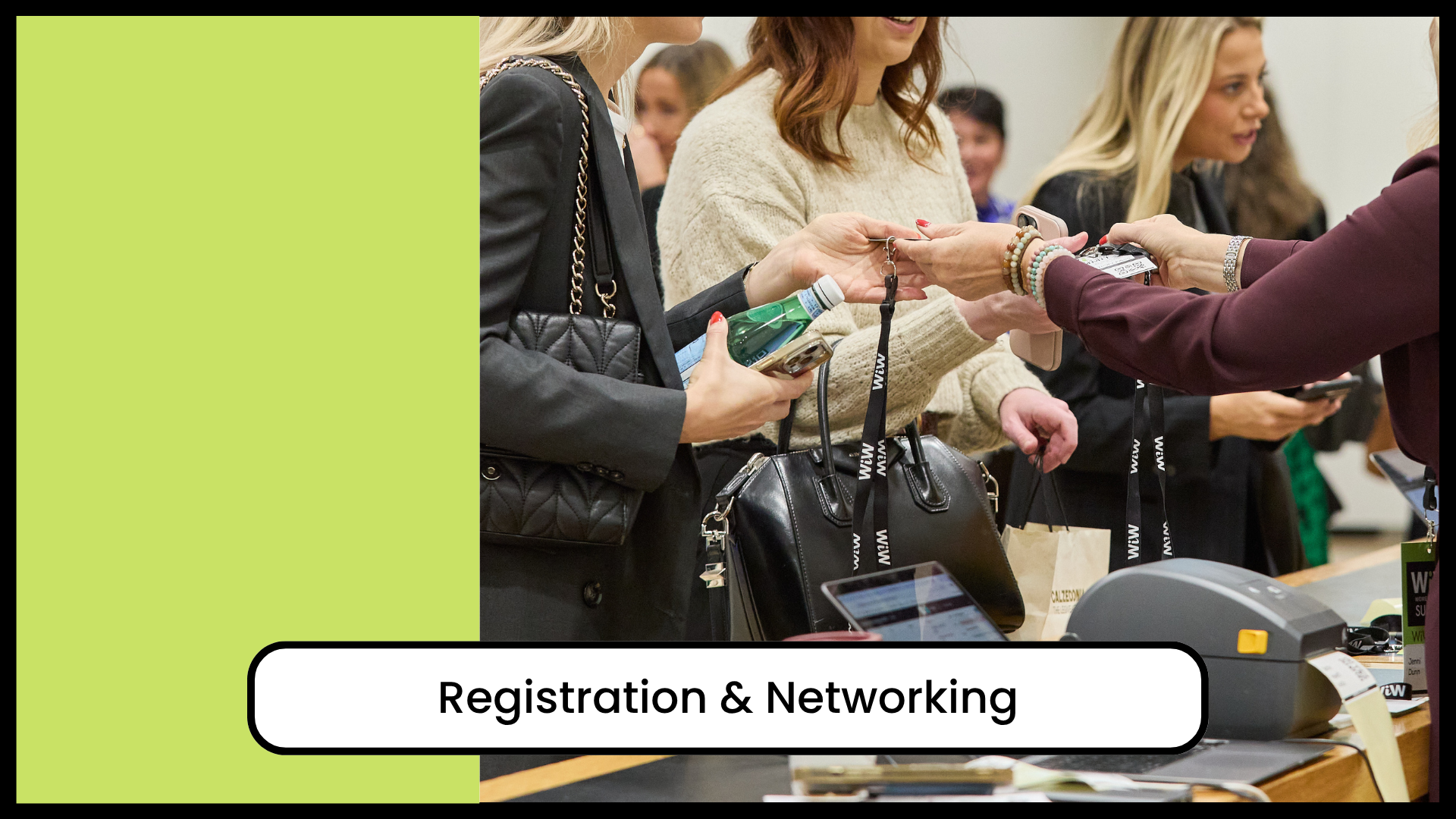
1.30PM | Registration Open & Networking
-
Brilliant conversations start to happen before the agenda starts. Arrive ready, grab a coffee, and find your people. The day ahead will move fast: this is your moment to settle in, make connections, and meet the people you'll still be talking to long after the closing drinks. The real work of Women in Work begins here.
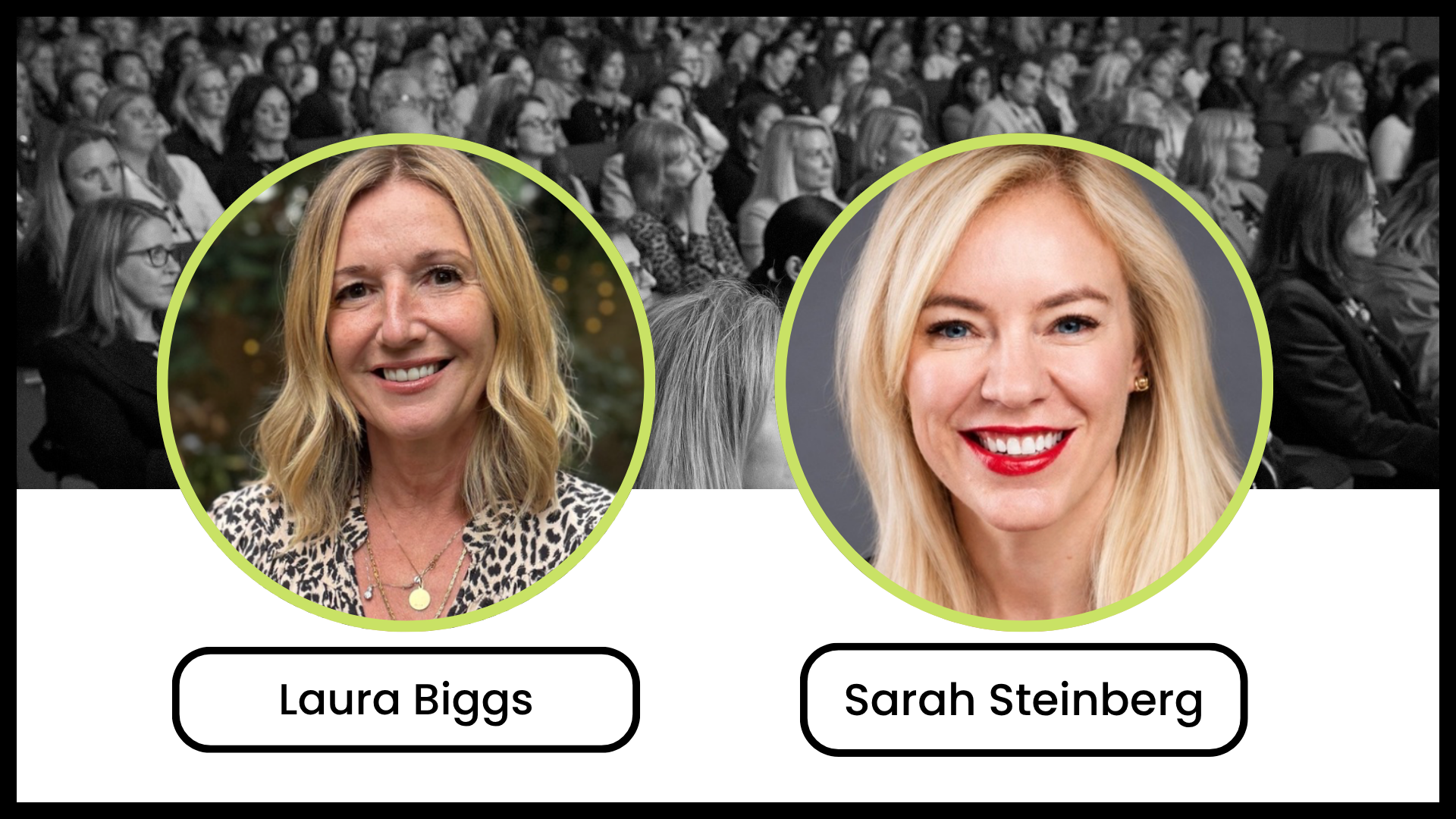
2.00PM | Thank you & Welcome from LinkedIn & Laura
-
This is where practical action shows up in real workplace examples, and we examine the policies, cultures and leadership decisions that can make work work better for women. What are you taking back to your organisation? What will you do differently next Monday morning? This stage is for the doers, the decision-makers, and everyone who's tired of simply talking about change and ready to make it happen. Consider this your call to attention.
-
-
Sarah Steinberg is a global affairs and policy strategy leader focused on the intersection of artificial intelligence, workforce transformation, and economic growth. As Head of Global Public Policy Partnerships at LinkedIn, she leads the company’s engagement with international organizations and strategic global initiatives focused on the future of work and the economic impact of emerging technologies.
Sarah works with governments, business leaders, and global institutions to navigate the workforce transition driven by AI, with a focus on inclusive economic growth, skills, and women’s leadership in the global economy. She leads partnerships across institutions including the World Economic Forum, OECD, and United Nations, helping establish LinkedIn as a trusted source of labor market insights for governments and global institutions navigating economic and workforce transformation.
She is a frequent speaker at major international forums including Davos and the UN General Assembly, where she brings data-driven perspectives to conversations on AI adoption, workforce resilience, and the future of work.
Prior to LinkedIn, Sarah led a $75 million global education initiative at JPMorgan Chase supporting workforce and economic opportunity efforts across ten countries. Earlier in her career, she led workforce policy and research at the Center for American Progress, advancing innovative approaches to skills development and labor market mobility in the United States.
Sarah serves as Vice Chair of the Board of the National Skills Coalition and is an Aspen Institute Economic Mobility Fellow. Her work has been featured in publications including The New York Times, The Wall Street Journal, and The Washington Post.
She holds a bachelor’s degree in government and sociology from Dartmouth College.
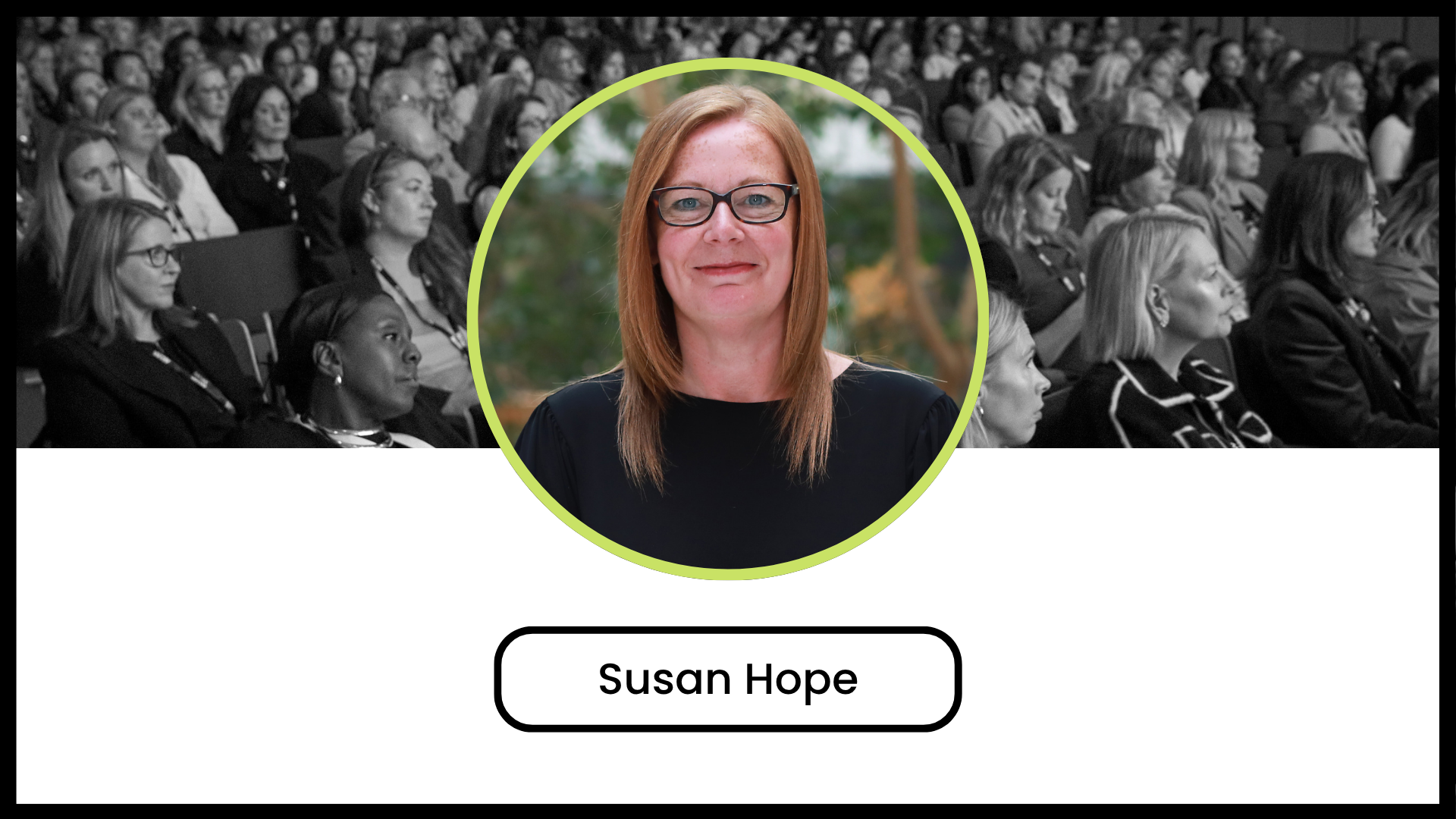
2.10PM | The First Paycheque Problem: Where Inequality Begins
-
The gender pay gap doesn't begin at the boardroom. It begins at the very first salary unconsciously coded by gender, the starting point that quietly sets the trajectory for everything that follows. Female breadwinners are one of the fastest-growing demographics in the UK, yet the foundations of financial inequality are being laid before most women have even found their feet. This session asks the question too few think to ask early enough: if we want to close the gap, why aren't we starting at the beginning?
-
Susan Hope is a Chartered Financial Planner and Business Development Director at Scottish Widows, where she leads a business development team focused on workplace pensions and employee engagement.
With over three decades of experience in the financial services industry, Susan is a passionate champion for closing the gender pension gap and empowering women to build financial resilience. Her advocacy recently took her to the House of Lords, where she spoke on the critical importance of financial wellbeing for women across the UK.
Combining personal insight with deep professional expertise, Susan is a regular contributor to both trade and consumer media. She frequently speaks on the intersection of money, motherhood, and the financial lessons often missed.
Susan currently holds the title of Women in Financial Advice Role Model of the Year (2023 & 2024) and was recently honoured as Diversity and Inclusion Advocate for Women in Finance by Business Women Scotland.
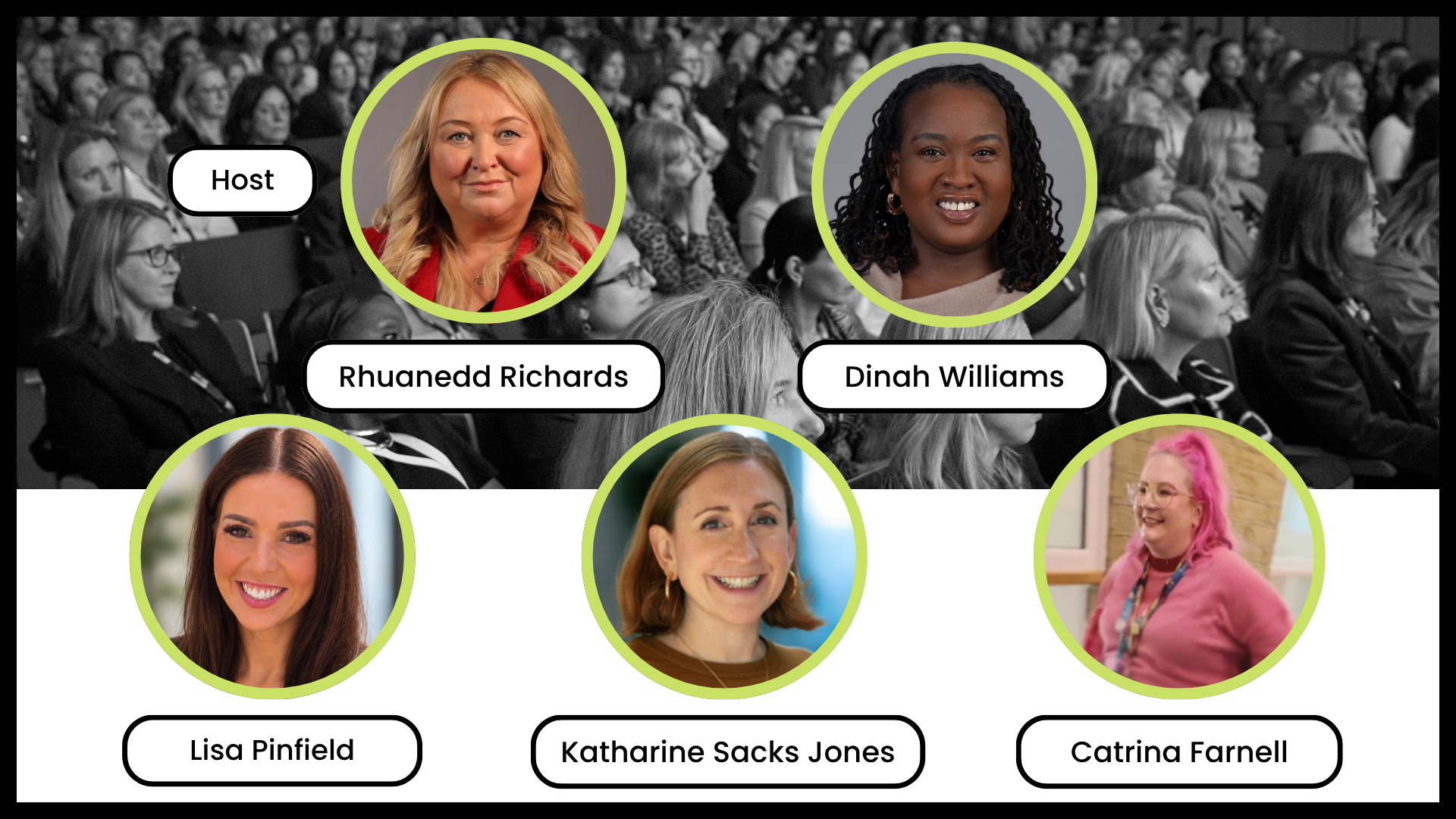
2.20PM | Which Women? How to Achieve Inclusion at the Intersections
-
"Women" is not a monolithic category; and organisations that simply count women rather than truly seeing them are leaving most women behind. The barriers facing a Black woman in a leadership role look nothing like those facing a white woman in a junior one; a young disabled woman navigating flexible working has a completely different experience to someone navigating menopause alongside caring responsibilities. Through real organisational examples and frank conversation, our panellists explore what it actually takes to move beyond surface-level inclusion, understanding where policies create blind spots, where cultures quietly exclude, and how leaders can begin to see and respond to the layered, overlapping realities their people live every day, across race, class, disability, age, sexuality, and caring responsibilities.
-
Rhuanedd Richards is the BBC’s Interim Director of Nations and sits on the BBC’s Executive Committee.
Appointed to the role in June 2025, Rhuanedd leads the BBC’s work serving nations and local audiences across the UK.
The BBC Nations division is one of the largest in the BBC and produces a range of content across TV, radio and online for audiences in the devolved nations and, locally and regionally, in England. Rhuanedd leads the teams responsible for the portrayal of the nations and regions across iPlayer and BBC Sounds, as well as the news and sport coverage on the BBC’s local online services in England and the nations’ services in Scotland, Wales and Northern Ireland. These teams also produce the UK’s biggest news show - the nations and regional BBC One 6.30 programmes – as well as a network of 45 radio stations reaching millions of listeners across the UK each week.
Previously, Rhuanedd was Director, BBC Wales with overall responsibility for the content strategy and editorial priorities for the Nation across all media platforms and services in both the English and Welsh languages.
Rhuanedd started her career with BBC Wales as a journalist before presenting some of its flagship news and political programmes on radio and television.
She subsequently worked in government and politics in Wales before returning to the BBC as Editor of Welsh Language services in 2018.
Originally from the Cynon Valley, Rhuanedd attended Ysgol Gyfun Rhydfelen. She then studied at Aberystwyth University and was awarded a BBC scholarship to study a post-graduate diploma in Cardiff University’s School of Journalism. Rhuanedd is Deputy Chair of Aberystwyth University Council, an Honorary Fellow of the university, and lives in Pontypridd with her family.
-
Dinah Williams founded Avenir Pathways CIC after being selected for the Big Issue Invest Social Impact Accelerator, launching Future Reset® - a career transition programme for professionals navigating redundancy. In its founding pilot in July 2026, participants' confidence in their next career direction rose from 4.0 to 7.4 out of 10 in three days, 100% rated their overall satisfaction 9 or 10 out of 10, and 51% of the cohort came from underrepresented communities without a targeted push.
She is also Founder of Avenir Network, where she partners with organisations to redesign leadership, culture, and talent systems for a rapidly changing world of work, and Project Director of BRiM (Black Representation in Marketing), the UK's first industry-wide sponsorship programme for Black talent in marketing and advertising - connecting over 200 c-suite sponsors and Black sponsees across major agency groups, including WPP Media, Publicis, and OMG.
Dinah is a Campaign 40 Over 40 Winner (2025) and an Advertising Week Europe Future is Female Award winner (2025). She also mentors emerging women leaders through Google's Power Up programme.
With a background spanning behavioural science, leadership development, and AI readiness, Dinah is recognised for translating complex change into practical, commercially grounded action.
-
Bio coming soon.
-
Lisa Pinfield is Group Talent Director, responsible for talent acquisition, learning, skills, leadership development and workforce transformation. With over 20 years’ experience, she is focused on creating pathways for career growth, building leadership capability and helping individuals thrive at every stage of their careers. A passionate advocate for inclusion, equity and social mobility, Lisa is committed to increasing representation, broadening access to opportunity and creating workplaces where everyone can belong, grow and succeed.
-
Catrina Farnell is CEO of People First Keighley & Craven, a charity supporting adults with learning disabilities, those who are neurodivergent and those with physical disabilities. The organisation works to develop self-advocacy skills and creates meaningful work with their members.
As a disabled woman, wheelchair user and leader, Catrina brings lived experience into her professional practice. She is passionate about creating workplaces where disabled people are not simply accommodated, but valued and given opportunities to contribute, progress and shine.
At the heart of Catrina’s work is the belief that none of us should be expected to fit neatly into one box. Before becoming disabled, she trained and worked as a dancer. Today, alongside leading a charity, writing, speaking and advocating for disability inclusion, she co-leads In Motion, a wheelchair-based dance workshop at Northern Ballet. Her own journey has taught her that disability may change how we do something, but it does not diminish our creativity, ambition, skills or value.
Catrina began her journey at People First Keighley and Craven by volunteering for just one hour a week before progressing through the organisation and ultimately becoming CEO. After experiencing a world that she describes as full of “no” for far too long, she became determined to play a part in turning those “nos” into “yes” — for herself and for others.
One example is People First’s member-led podcast, The People First Podcast created and hosted by adults with learning disabilities. It deliberately breaks convention, bringing disabled people into conversations and spaces where they have historically been underrepresented. Catrina is proud to see members becoming interviewers, researchers, presenters, editors and professionals in their own right, while also creating a platform for others to tell their stories. She often describes part of their role as being “professional cheerleaders” — recognising and celebrating work that contributes to progress across the disability community.
That reflects a principle running throughout Catrina’s work: when a door opens for you, hold it open for others.
Through self-advocacy, employment pathways, training, creativity, media and leadership opportunities, Catrina and the people she works alongside are not simply asking for inclusion. They are actively building it and demonstrating what becomes possible when barriers are removed, expectations are raised and people are trusted with real responsibility.
Catrina is also a writer, speaker and advocate whose work spans national media, disability and inclusion events, healthcare education and collaboration with organisations seeking to make their work more accessible.
Her message is simple: disabled people should not have to change who they are in order to contribute to society. Society must become more accessible, equitable and supportive so that the skills, knowledge and lived experience disabled people already possess can be recognised, valued, and utilised to help shape a better world.
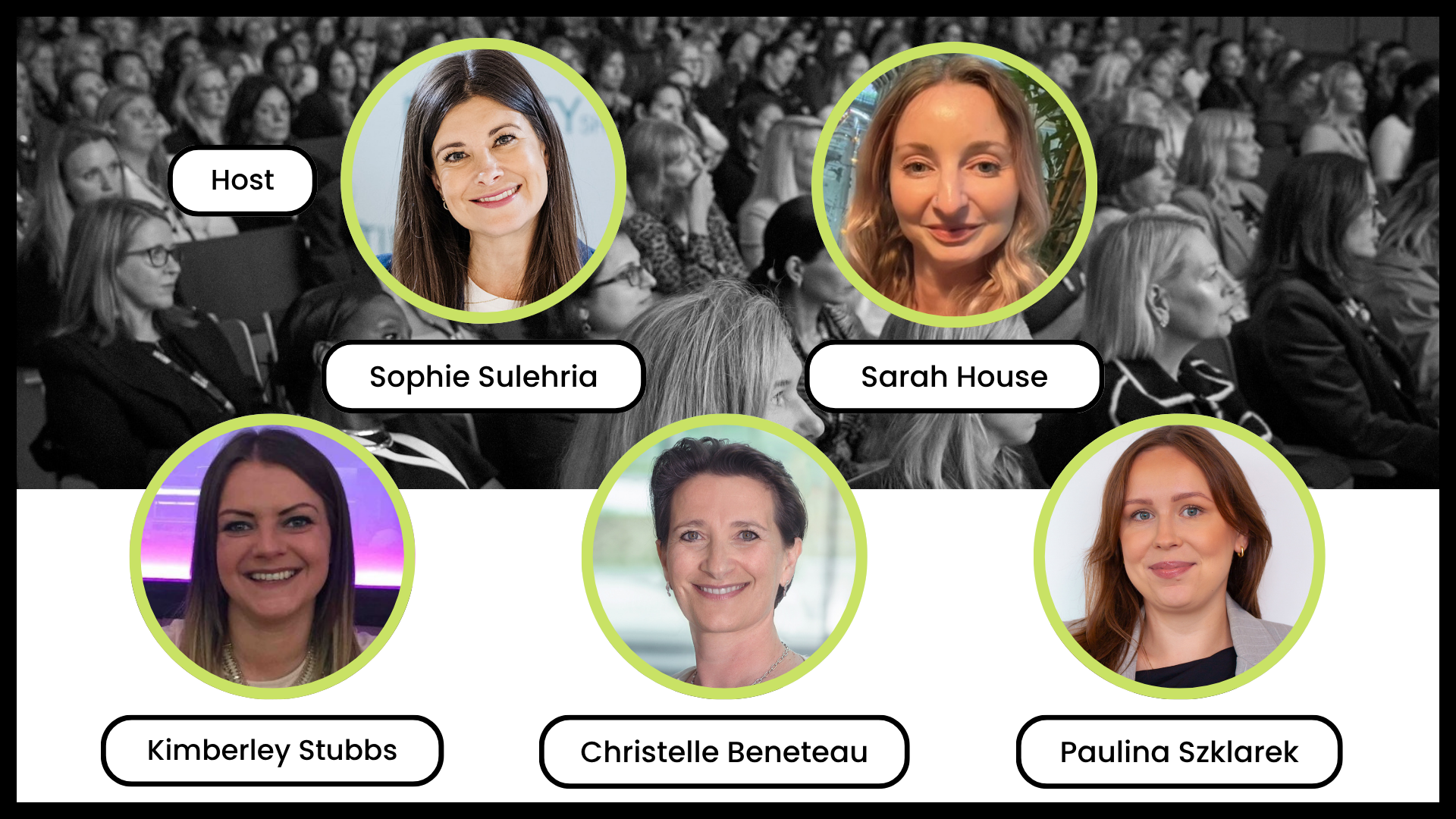
2.45PM | Let's All Talk About Menstruation & Fertility at Work
-
Painful or heavy periods, endometriosis, adenomyosis, PMOS, IVF, egg freezing, miscarriage and recurrent loss – these experiences are probably affecting people in your organisation right now. Yet many employees are managing debilitating symptoms, fertility treatment or loss in silence, taking annual leave for appointments, struggling through the working day and wondering whether it is safe to tell their manager.
In this frank, human conversation, we hear from people with lived experience, employers who are beginning to do better and experts working to change attitudes and improve support. Together, we explore what meaningful menstrual-health and fertility support looks like in practice, why it matters for wellbeing, retention and workplace culture, and what every organisation can begin putting in place.
NOTE: Ferring is a sponsor of Women in Work, supporting the delivery of the event as a whole. Ferring has not sponsored this individual session or had any input into the choice of topic or other speakers. A representative from Ferring is participating as a guest speaker due to the session’s relevance to fertility.
-
Sophie Sulehria is a presenter, journalist and event host with over 20 years in broadcasting, including a decade with the BBC. Drawing on her own lived experience of infertility, she is now Content Director and Host of The Fertility Show, the UK’s largest event dedicated to reproductive health.
Sophie has become a trusted voice in women’s health, regularly hosting panels, webinars and podcasts on fertility, pregnancy and menopause. She has presented The Long Road to Baby on BBC Radio 4, The Heat Seat for Menopause Mandate, and Let’s All Talk Fertility for The Fertility Show.
Passionate about creating open, honest conversations, Sophie is known for her warm, engaging style, bringing audiences together to learn, connect and feel supported. -
Christelle joined Ferring in April 2021 as Chief People Officer responsible for delivering all aspects of Ferring’s human capital strategy as well as corporate communications.
She joined Ferring from Implenia, where she led the HR organisation and was a member of the Executive Committee. Before that she held similar positions with a number of major global companies and brings invaluable expertise of transforming HR functions across multiple industries and business sectors.
Christelle trained as a biochemist at the Ecole Supérieure de Chimie in Lille, France, and also holds a Master’s degree in Biochemistry from Heriot-Watt University in Scotland.
-
Head of Corporate Partnerships at Tommy’s, the UK’s leading pregnancy and baby charity. Sarah leads on strategic partnerships with businesses that share Tommy’s vision of making pregnancy and birth safe for everyone, while championing more supportive workplaces for employees experiencing pregnancy, baby loss, and the transition back to work. Sarah is very passionate about supporting women and parents in the workplace, and help organisations create inclusive cultures that drive employee wellbeing and meaningful social impact.
-
Bio coming soon.
-
Paulina is Managing Director of Mooncup, leading the next stage of growth for a challenger period care brand taking on a category dominated by global giants. With experience scaling businesses across international markets, she combines commercial ambition, operational rigour and a healthy obsession with data to grow Mooncup without losing the bold thinking that made it a challenger in the first place.
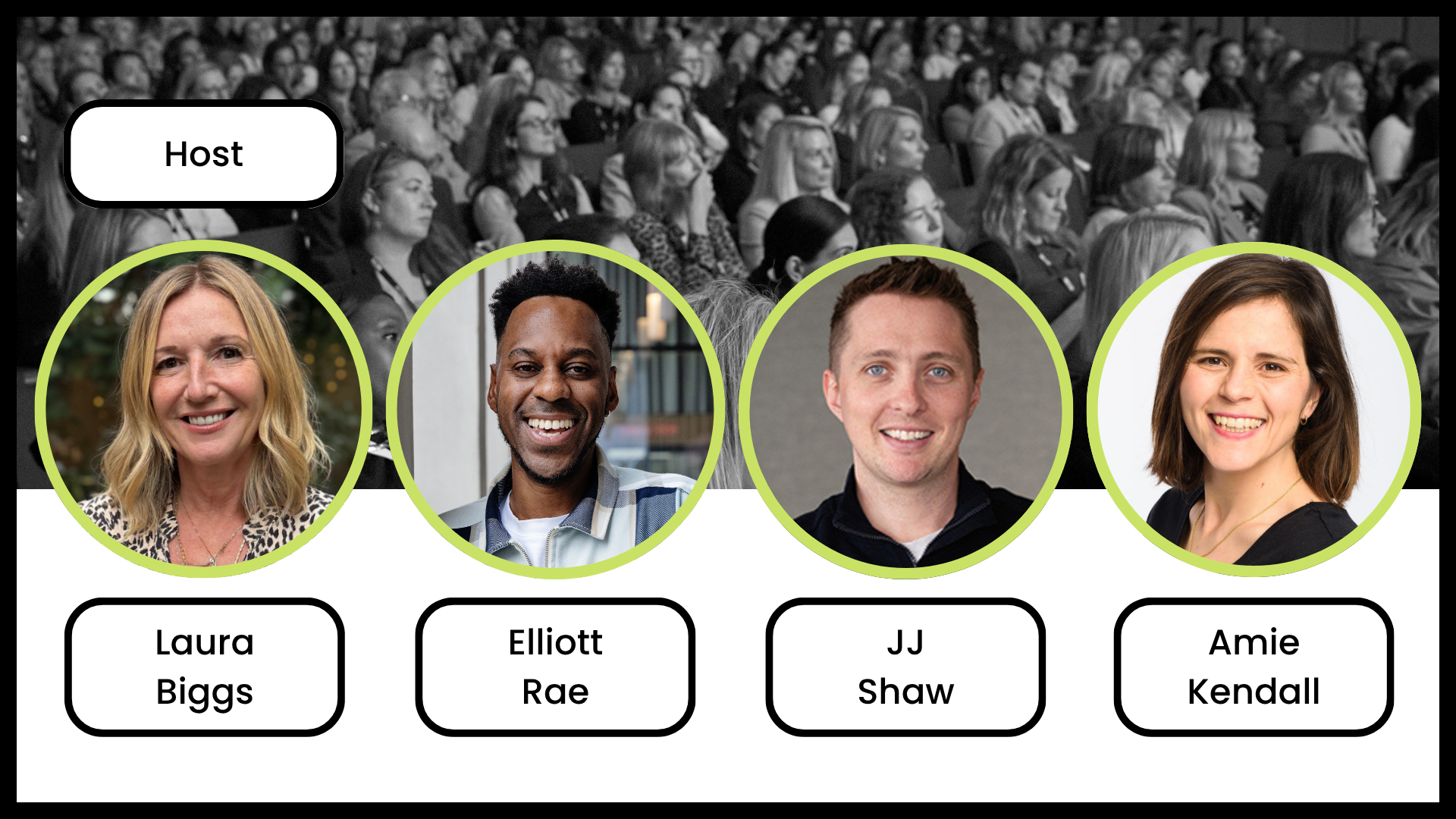
3.10PM | Equal Leave, Equal Careers: Rethinking Who Takes Leave
-
Enhanced maternity leave has become a recruitment selling point, but enhanced shared parental leave, or equal parental leave, remains rare, underused, and seen in too many workplaces as a perk rather than a norm. As long as that's the case, the burden of career disruption will continue to fall disproportionately on women. Featuring employers who've genuinely rethought parental leave and tracked what happened next, this session explores what changes in a team and a culture when men and non-birthing parents actually take extended leave. Here we make the practical, evidence-rich case for one of the most powerful levers available for reshaping gender equity at work, with real-world examples of how shared parental leave and inclusive parental support can reshape retention, culture and expectations.
-
-
Elliott Rae is an award-winning author, speaker and one of the UK's leading voices on fatherhood, masculinity and workplace inclusion. He is the founder of Parenting Out Loud, a movement helping organisations create more supportive cultures for working fathers through improved policies, leadership and flexible working. Elliott is the bestselling author of DAD, presenter of the BBC One documentary Becoming Dad, and co-host of the chart-topping podcast To Be A Boy. Formerly Head of DEI Delivery at HM Treasury, he was awarded an MBE in 2025 for services to supporting new dads and recognised by UN Women UK as a #HeForShe Changemaker of the Year.
-
JJ is an experienced commercial and technology lawyer who advises a broad range of clients. His practice sits at the intersection of technology, media and regulation, and he is known for combining deep technical expertise with pragmatic, commercial advice. Working closely with leading publishers and media businesses on innovative, IP-rich matters, JJ brings a practical perspective on how technological change is reshaping the workplace, workplace policies and the employee experience.
-
Bio coming soon.

3.35PM | Coffee & Networking Break
-
Step away from the stage, stretch your thinking, and carry the conversation into the room. Some of the most useful exchanges of the day happen here. Get a coffee. Make a connection.

4.00PM | Comeback Ready: Making the Return Work for Everyone
-
For too many women, the return to work after maternity leave, a caring break, fertility treatment or health-related absence is where their career quietly stalls; the project that was reassigned, the promotion that went to someone with "more recent visibility." This session is about fixing the moment organisations lose women. Our panellists share what organisations with genuinely high retention rates do differently, and what managers can start doing immediately to make returning employees feel like they've come back to an opportunity, not an obstacle course. A discussion on how employers can better support women returning from maternity leave, caring breaks, fertility treatment, health-related leave, or other life stages, and what makes the difference between just returning to work versus being able to stay, and truly progress.
-
Sophie Sulehria is a presenter, journalist and event host with over 20 years in broadcasting, including a decade with the BBC. Drawing on her own lived experience of infertility, she is now Content Director and Host of The Fertility Show, the UK’s largest event dedicated to reproductive health.
Sophie has become a trusted voice in women’s health, regularly hosting panels, webinars and podcasts on fertility, pregnancy and menopause. She has presented The Long Road to Baby on BBC Radio 4, The Heat Seat for Menopause Mandate, and Let’s All Talk Fertility for The Fertility Show.
Passionate about creating open, honest conversations, Sophie is known for her warm, engaging style, bringing audiences together to learn, connect and feel supported. -
Amanda Arrowsmith knows the return to work from both sides of the desk. Having come back herself after caring leave, she now leads people strategy and organisational change as Executive Director of People & Culture at the Royal British Legion.
A Chartered Fellow of the CIPD and its former People & Transformation Director, Amanda has spent over thirty years in HR across the public, private and third sectors, and is a Non-Executive Director of the Disclosure and Barring Service. She holds an MSc in Human Resource Management and is undertaking doctoral research into transformation and change in the not-for-profit sector. Her work is consistently evidence-led and practical, focused on what actually shifts retention rather than what reads well in a policy.
-
Mari-Carmen Sanchez-Morris is the Founder and CEO of Matresa, a clinical-grade maternal health platform building the infrastructure mothers actually need, across health, home and work, from pregnancy through to the first two years of motherhood. A former Paediatric Intensive Care nurse with a decade in critical care, she founded Matresa after seeing, both on the ward and as a mother herself, how little structured support exists for women through matrescence, the profound physical and psychological transition into motherhood. In 2026, she raised £315,000 in pre-seed funding, a rare outcome in a year when all-female founding teams received just 2% of UK venture capital. A pilot with a Big Four organisation lifted wellbeing scores from 5.2 to 7.8 and productivity by 20% in eight weeks. A first-class Children's Nursing graduate, founder of two health businesses and mother of three, Mari-Carmen speaks on maternal health, the neuroscience of motherhood, and why fixing the maternal crisis means getting the NHS, business and government around the same table.
-
Nellie Gbadebo is a founder, creative strategist and breast cancer survivor working at the intersection of women’s health, cancer, culture and the workplace.
Diagnosed with breast cancer at just 26, three months after giving birth, Nellie underwent treatment that medically induced menopause decades earlier than most workplace policies anticipate.
Returning to work meant navigating hot flushes, brain fog, disrupted sleep and the emotional and physical impact of cancer treatment, while still wanting to be seen as ambitious, capable and ready to progress.
Her experience raises an important question: when organisations say they are menopause-friendly, which women are they actually designing for?
Menopause does not only happen gradually in midlife. Cancer treatment, surgery and other medical interventions can trigger it suddenly in younger women, often alongside recovery, fertility changes, financial pressure and the challenge of rebuilding a professional identity.
As founder of Touchy Feely, Nellie uses culture and creativity to change how communities engage with cancer. Her work has included partnerships and engagement across the NHS, NHS trusts, Macmillan Cancer Support and the Department of Health and Social Care, giving her insight across patients, communities, clinicians and healthcare decision-makers.
Nellie brings a powerful perspective to the future of women’s work: a lighter fleece is not a menopause policy. Meaningful support must recognise medically induced menopause and consider what women actually need before, during and after returning to work following serious illness.
Her work challenges employers to broaden the menopause conversation to include the younger women, cancer survivors and medically induced experiences that workplace wellbeing strategies too often overlook.
-
Nadine Dawood Morgan is Customer Director at Bupa UK, responsible for customer strategy, marketing, digital, data and analytics, and customer experience. She started her career in advertising, working across Australia and the UK with a range of leading brands, before spending 14 years at Qantas in senior marketing, technology and commercial leadership roles.
Nadine returned to the UK with her family in 2025 and joined Bupa in 2026. A passionate champion of diversity and inclusion, she believes organisations perform best when people are supported to thrive through every stage of life and career. She is particularly passionate about creating opportunities for women to grow, lead and succeed. Outside of work, she's a proud mum of three and loves travelling the world with her family.
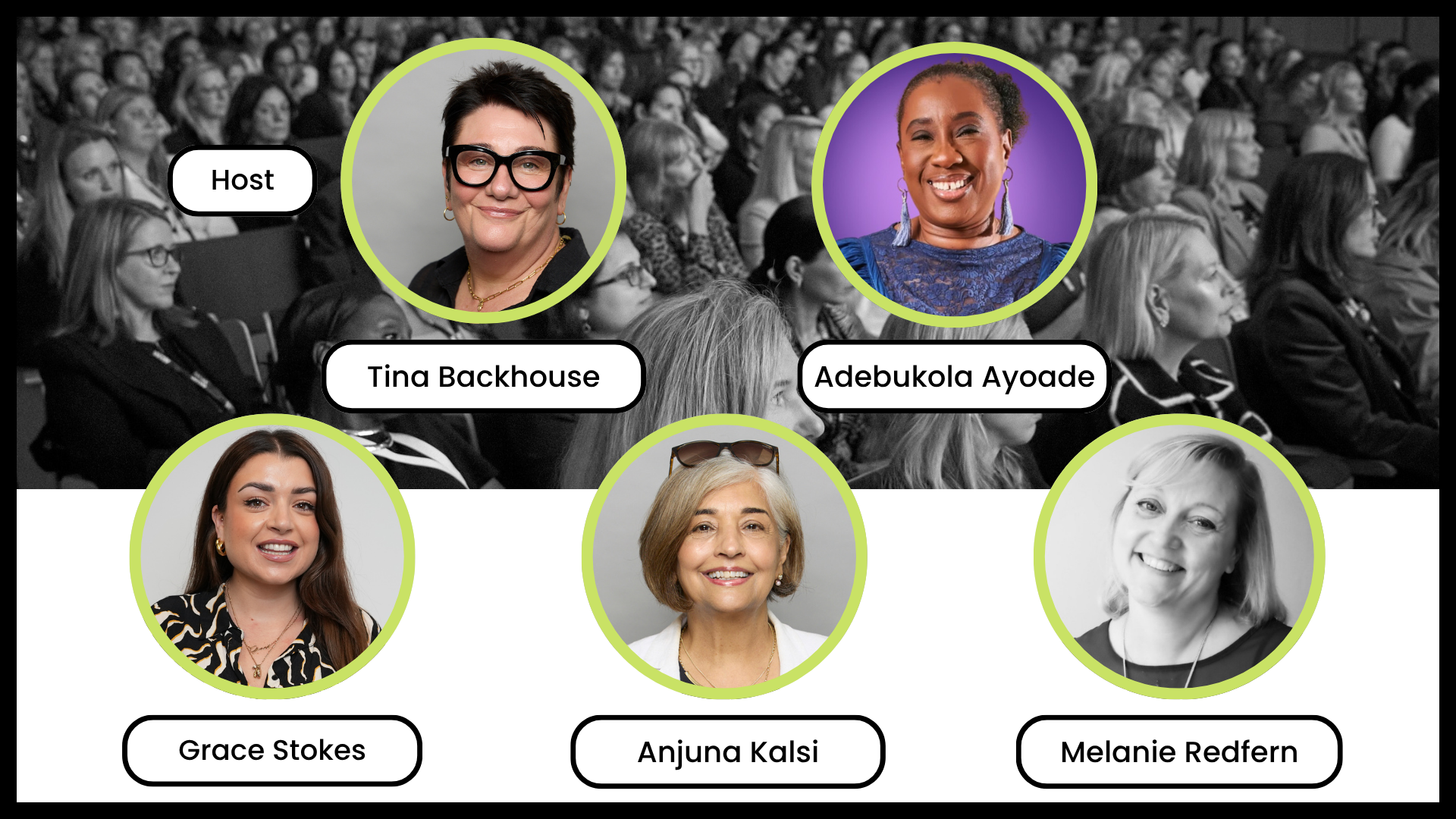
4.25PM | Making Menopause Matter: How to Stop Losing Your Best Women
-
Every day, organisations lose highly experienced women, not to better offers, but to menopause symptoms that too few workplaces acknowledge or understand.
Menopause affects over half the population, can last for years and can have a profound impact on sleep, concentration, confidence and working life. Yet too often, workplace support amounts to little more than a policy sitting on a shelf, leaving women to manage silently at precisely the stage of their careers when they should be at their most influential.
Bringing together landmark new data from working women, national NHS leadership, specialist workplace expertise and powerful lived experience, this session will examine the real cost of menopause to employers through absence, lost productivity and the departure of experienced talent. It will also recognise that women’s experiences are not all the same and that effective support must reflect this.
From informed managers and meaningful action plans to peer networks, specialist support and cultures in which women no longer have to pretend, this session will provide a clear picture of what good looks like and the practical case leaders need to act now. Because helping women thrive through midlife is not simply the right thing to do. It is essential for retaining experience, talent and leadership.
-
Tina Backhouse is a leading UK voice on women’s health, campaigner, policy influencer and business leader, with more than 30 years’ experience across global pharma, high-growth businesses and the not-for-profit sector.
As Co-chair and founding member of Menopause Mandate, Tina has worked with government, Parliament, the NHS, royal colleges and national media to drive meaningful change in women’s health. Her campaigning has contributed to the introduction of the single annual HRT prescription charge in England and menopause inclusion in the NHS Over 40 Health Check.
Previously, Tina helped grow Theramex UK from a two-person operation into the company’s largest global market and has advised the Department for Work and Pensions on national workplace menopause policy. She is also a regular commentator on women’s health, appearing across BBC Breakfast, Radio 4 and Woman’s Hour and contributing to national publications including The Times and The Guardian.
-
Bukky Ayoade has a background in pharmacy and is a certified Health Coach with more than 38 years' experience across healthcare, spanning medical affairs in the pharmaceutical industry and, more recently, NHS England.
As Menopause Lead at NHS England, Bukky has led national initiatives to improve workplace support for women experiencing menopause. She spearheaded the launch of the NHS Menopause Workforce Support Package, providing guidance, e-learning and training to help create menopause-supportive cultures across the NHS, enabling experienced staff to stay well, thrive at work and remain in the workforce. She also works with organisations across sectors to improve retention and support for midlife women.
Bukky is the founder of Vibrant Midlife Wellness Practice CIC, where her grassroots work delivers evidence-based and culturally responsive menopause and midlife wellbeing support. Her work focuses on improving health equity for underserved communities, helping women navigate hormonal change with greater clarity and confidence through education, coaching and personalised support.
A regular speaker, advocate and author, Bukky is passionate about advancing women's health and ensuring that menopause is recognised as both a health and workplace issue. Outside of work, she enjoys travelling, following Formula 1 and exploring great food, particularly Thai and Nigerian cuisine.
-
Grace oversees strategic partnerships to empower clients in achieving their health and wellbeing goals. With expertise in client success, workplace wellbeing, and employee benefits, Grace collaborates closely with organisations to maximise the impact of Peppy’s clinical services. Her passion for Women’s Health and menopause support fuels her dedication to helping businesses cultivate happier, healthier workforces where everyone can thrive.
-
Anjuna Kalsi has more than 30 years’ experience in the pharmaceutical and biotechnology industries, holding senior leadership roles at Ranbaxy, Chiron/Novartis, Watson/Actavis, Forest, Allergan and Theramex.
As Chief Human Resources Officer at Theramex, a global pharmaceutical company dedicated exclusively to women’s health, she leads human resources, organisational transformation and culture across international teams. She is passionate about improving women’s health through greater awareness, education, equity and open conversation.
Her commitment extends beyond the workplace. As Regional Director for Africa at Smile Train, she saw first-hand how access to healthcare and education can transform the lives of women and families. She is also a founding member of the Migrant Advisory and Advocacy Service and a Trustee of Southall Community Alliance.
Throughout her career, she has supported initiatives promoting health education, financial resilience and personal development, helping women build the knowledge, confidence and independence to thrive.
After studying European Studies, she trained as a Management Accountant before completing an MBA and moving into Human Resources. She remains committed to challenging stigma and creating a world in which women have equitable access to healthcare, education and opportunity.
-
Mel is a Chartered Member of the CIPD and an experienced, down‑to‑earth Senior HR and Wellbeing professional. She brings a calm, practical approach to supporting people, shaped by her background as a trained counsellor, mental health first aider, menopause coach and advocate and ED&I ally.
She has worked at AtkinsRéalis since 2002 and has been a leading voice for menopause awareness since 2018, co‑founding and driving the UK&I menopause network. Her work has strengthened support for women across the organisation and influenced change across the wider engineering sector.
Her commitment to improving menopause understanding and workplace support has been recognised with several industry awards, including a personal award from Henpicked for her individual contribution.

4.50PM | We Can't Do This Alone: How Men Can Help Achieve Workplace Equality
-
Workplace gender equality cannot be achieved by women alone: the structures and cultures that hold women back are sustained by people in positions of power, and in most organisations, that still means a lot of men. Our panellists, who have challenged bias in hiring rooms and actively sponsored women's advancement, talk honestly about what meaningful allyship actually requires, what gets in the way, and what organisations can do to encourage more men to pick up the baton. Expect a conversation that's candid, specific, and genuinely useful for everyone in the room. From supporting women's advancement to taking equal parental leave, from challenging discrimination to amplifying underrepresented voices, male allies have the power to influence organisational culture and address systemic bias.
-
Sophie Sulehria is a presenter, journalist and event host with over 20 years in broadcasting, including a decade with the BBC. Drawing on her own lived experience of infertility, she is now Content Director and Host of The Fertility Show, the UK’s largest event dedicated to reproductive health.
Sophie has become a trusted voice in women’s health, regularly hosting panels, webinars and podcasts on fertility, pregnancy and menopause. She has presented The Long Road to Baby on BBC Radio 4, The Heat Seat for Menopause Mandate, and Let’s All Talk Fertility for The Fertility Show.
Passionate about creating open, honest conversations, Sophie is known for her warm, engaging style, bringing audiences together to learn, connect and feel supported. -
Dad to Vinnie, Husband to Kate, WACL Male Ally and CEO of Neverland. Josh is one of the UK's most respected agency CEOs, with experience across start-ups, global networks, and everything in between. Josh is deeply committed to opening up the industry and nurturing the next generation of talent. He was recently named one of WACL's first Male Allies, and at Neverland has helped drive the award-winning Neverland Flying Academy, created to give underrepresented talent greater access to advertising.
-
Lee Chambers is the Founder and CEO of Male Allies UK. After a diverse career, from corporate finance to building and exiting a tech company, he is now focused on supporting organisations to engage men in inclusion and promote effective allyship. He has been featured on the Startups 100 Index, has received a Great British Entrepreneur Award, and sits on the board of CMI Women, Regenerage UK and the Manchester Metropolitan University Business School. In 2024, he received the Freedom of the City of London for services to equality in business. He is a Kavli Fellow of the National Academy of Sciences in the USA, the first Black British scientist to be awarded in its 33-year history, received for his work on health inequalities. He is the 2023 UN Women Changemaker of the Year, and is an ambassador for the UK Governments Lilac Review for Disabled Entrepreneurship. He speaks globally on allyship and intersectionality, having taken the stage at One Young World, ChangeNOW and the Bloomberg Global Equality Summit, and is the author of the bestselling book, Momentum: 13 Ways To Unlock Your Potential.
-
Bio coming soon.

5.15PM | Launch of the GEM Report: What Good Looks Like Now
-
The day ends where it should: with the receipts. The launch of the 2026 Women in Work GEM Report brings together research, evidence, data, and benchmarks from across industry to define - clearly and rigorously - what good looks like for women at work right now, connecting the human stories heard throughout the afternoon with the measurable standards organisations can and should be held to. You'll leave with the report in hand, a clearer benchmark for your own organisation, and a set of markers for action that you can take straight back into your next leadership meeting.
-
-
Sarah Steinberg is a global affairs and policy strategy leader focused on the intersection of artificial intelligence, workforce transformation, and economic growth. As Head of Global Public Policy Partnerships at LinkedIn, she leads the company’s engagement with international organizations and strategic global initiatives focused on the future of work and the economic impact of emerging technologies.
Sarah works with governments, business leaders, and global institutions to navigate the workforce transition driven by AI, with a focus on inclusive economic growth, skills, and women’s leadership in the global economy. She leads partnerships across institutions including the World Economic Forum, OECD, and United Nations, helping establish LinkedIn as a trusted source of labor market insights for governments and global institutions navigating economic and workforce transformation.
She is a frequent speaker at major international forums including Davos and the UN General Assembly, where she brings data-driven perspectives to conversations on AI adoption, workforce resilience, and the future of work.
Prior to LinkedIn, Sarah led a $75 million global education initiative at JPMorgan Chase supporting workforce and economic opportunity efforts across ten countries. Earlier in her career, she led workforce policy and research at the Center for American Progress, advancing innovative approaches to skills development and labor market mobility in the United States.
Sarah serves as Vice Chair of the Board of the National Skills Coalition and is an Aspen Institute Economic Mobility Fellow. Her work has been featured in publications including The New York Times, The Wall Street Journal, and The Washington Post.
She holds a bachelor’s degree in government and sociology from Dartmouth College.
-
Bio coming soon.
-
Caroline, known as Cabs, is HR Director for Diageo's Global Functions. She partners with several global functions, including Finance, Marketing and HR, helping shape their talent and people strategy to enable performance. Previously, Cabs led Diageo's Learning and Inclusion team, where she was responsible for the company's global learning and development strategy, as well as its inclusion and diversity framework, policies and practices across our markets.
Over more than 30 years at Diageo, Cabs has built extensive experience working across functions, markets and global teams. Before moving into HR, she held a range of senior roles in employee engagement and corporate communications, including VP Corporate Communications for Diageo North America and Global Employee Engagement Director.
Throughout her career, she has focused on building strong relationships, developing people and creating inclusive environments where individuals and teams can thrive.
Outside work, Cabs enjoys travelling, sport and cooking. Her career at Diageo has given her the opportunity to combine these interests, particularly during her time living and working in London and New York.
-
Bio coming soon.