Women in Work Fertility & Menstrual Health Forum | Wednesday 4 November 2026
Good for women. Good for business.
Why we brought everyone together
Fertility treatment, menstrual health conditions and pregnancy loss are happening in workplaces every day. Yet many employees still feel uncomfortable talking about them with their managers or colleagues.
During National Fertility Awareness Week, we brought together clinicians, researchers, legal experts, employers and people with lived experience for our Women in Work Fertility & Menstrual Health Forum.
The aim was to help employers understand how these experiences affect people at work and what practical steps they can take to support their employees and create healthier, more inclusive workplaces.
Hosted by Sophie Sulehria, Content Director of The Fertility Show and Let's All Talk Fertility, and Laura Biggs, CEO and Founder of Women in Work, the afternoon covered workplace culture, legal responsibilities, practical adjustments, employee benefits and compassionate management.
We heard moving personal experiences, fascinating research and plenty of practical advice for employers.
Here's what we discussed and what we took away.
The Talent We Cannot Afford to Lose
Speaker:
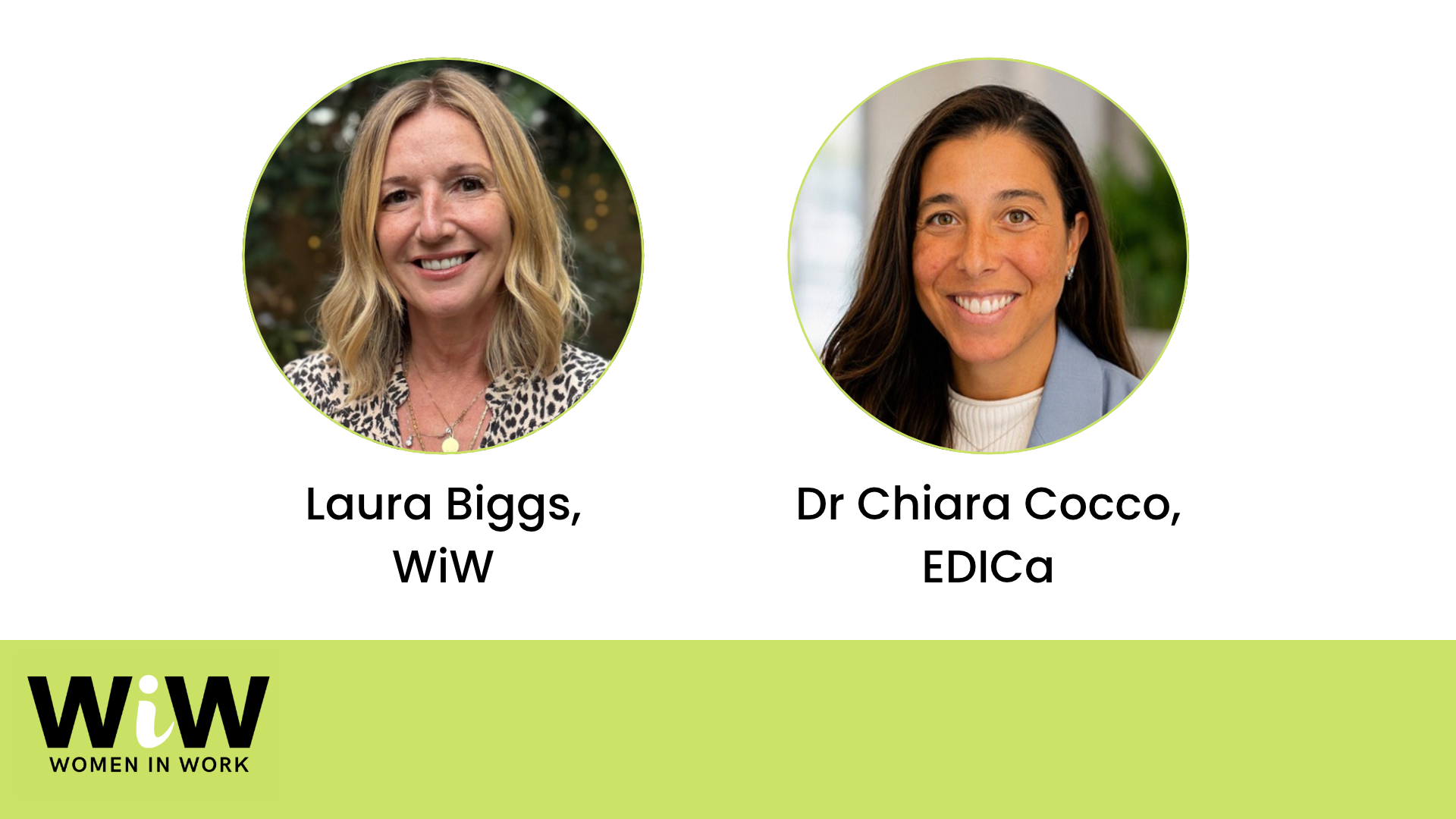
Dr Chiara Cocco – Heriot-Watt University and EDICa
We opened with Dr Chiara Cocco, who shared findings from EDICa's research into menstrual health and workplace inclusion. The research showed that it's often the barriers women face at work, rather than the health condition itself, that hold them back. Lack of suitable facilities, limited flexibility and feeling uncomfortable asking for support can all affect someone's ability to do their job and progress in their career.
Chiara explained why a one-size-fits-all approach doesn't work. Women in lower-paid or less flexible roles, disabled and neurodivergent women, and those experiencing additional discrimination can face greater challenges. Employers need to listen to their people, understand the barriers they face and involve them in developing practical support.
Chiara also reminded us that losing talent doesn't always mean someone leaving their job. It can mean turning down a promotion, missing an opportunity or choosing a different career altogether.
What employers can take away: Listen to employees, involve them in developing support and check that policies actually work. Start with small changes, see what makes a difference and build on them.
Why This Matters: Health, Work and the Business Case
Speakers:
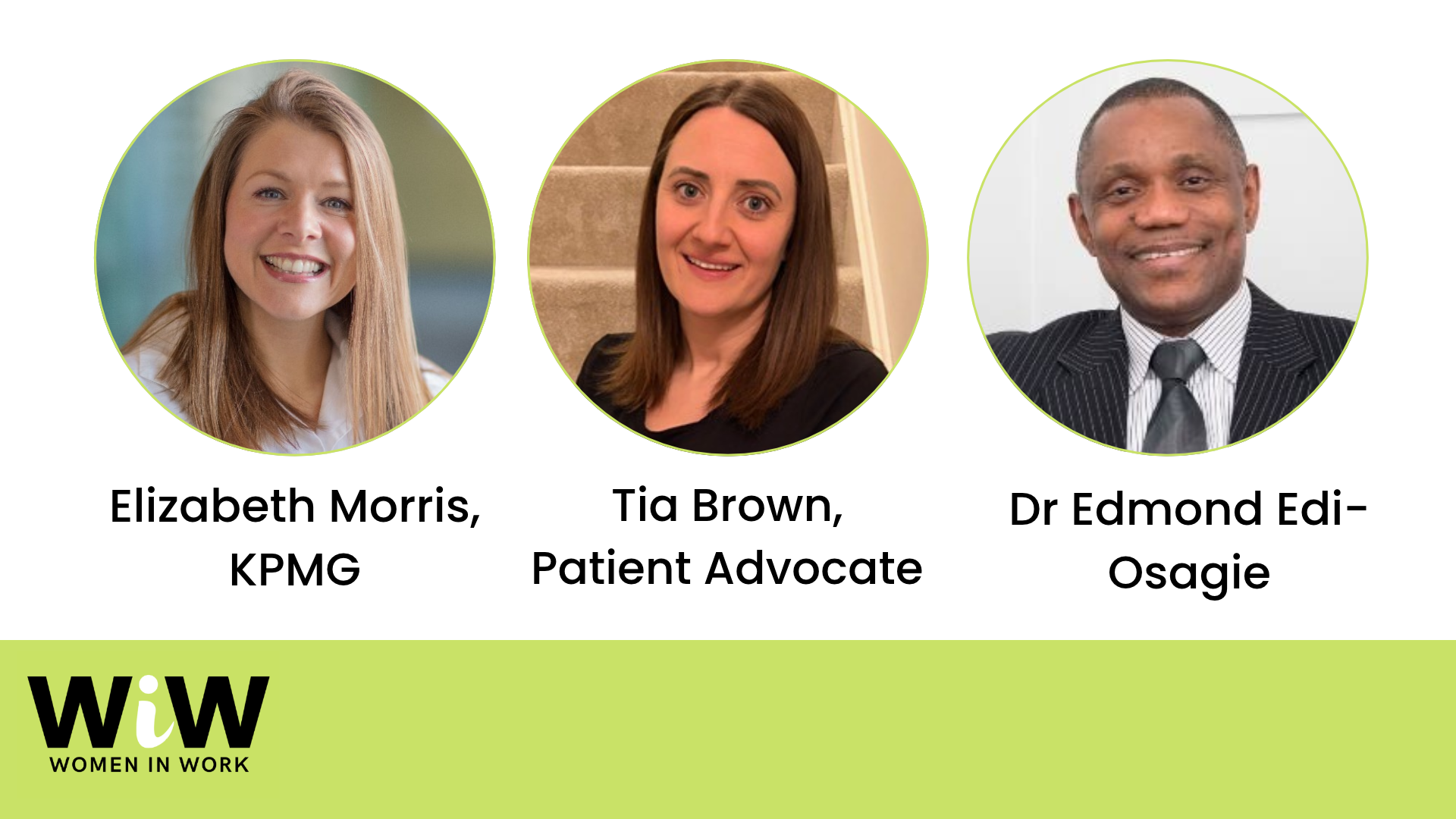
Dr Edmund Edi-Osagie – Aurora Healthcare
Elizabeth Morris – KPMG
Tia Brown – Patient Advocate
This conversation brought together clinical expertise, employer experience and a very personal story.
Dr Edi-Osagie explained the physical and emotional impact of fertility treatment, menstrual conditions and pregnancy loss. Appointments can change at short notice, medication can affect sleep and wellbeing, and the emotional effects of treatment can continue long after someone returns to work.
Tia Brown shared an experience from her fertility journey. While working with a client, she received a call from her clinic telling her there were no embryos available for transfer. She went to the bathroom to take the call, then returned to finish her client's treatment as though nothing had happened. This illustrates just how much someone might be dealing with during an ordinary working day.
Elizabeth Morris shared how KPMG supports employees through paid time off, workplace policies and employee networks, while respecting their right to keep personal circumstances private.
The panel also discussed smaller businesses that may not have an HR department or formal policies, and how employers of any size can offer meaningful support.
What employers can take away: Listen, be approachable, offer flexibility and respect privacy. Employees need to know they can ask for help without worrying about their jobs or career progression.
The Legal Lens: From Policy to Practice
Speaker:
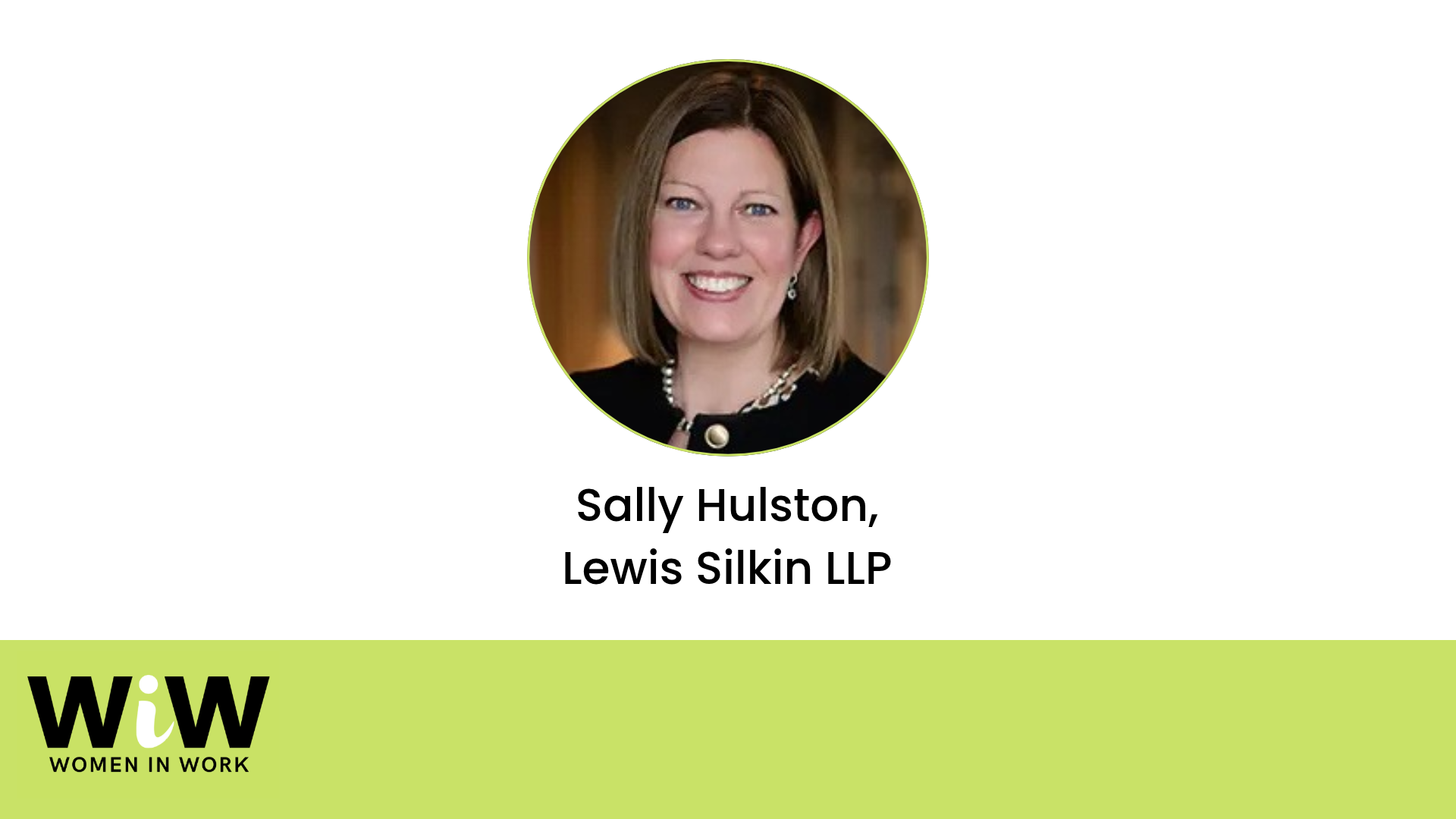
Sally Hulston – Partner, Lewis Silkin
Sally broke down the legal responsibilities surrounding fertility treatment, menstrual health and pregnancy loss into practical advice that employers and managers can understand and use.
She explained that there isn't a single law covering reproductive health at work. Instead, different legal protections may apply depending on someone's circumstances and, in the case of IVF, the stage of treatment.
Sally covered sickness absence, discrimination, reasonable adjustments, flexible working and confidentiality. She encouraged employers to look carefully at how fertility-related absence is recorded and managed, rather than automatically applying standard sickness triggers.
She also discussed the importance of inclusive policies that recognise different routes to parenthood, including solo parents, same-sex couples, donor conception and partners.
What employers can take away: Review your policies and give managers clear, practical guidance on how to respond, what information they can ask for and how to maintain confidentiality. Apply support consistently so employees aren't dependent on which manager they happen to have.
Periods at Work: Breaking the Silence
Speakers:
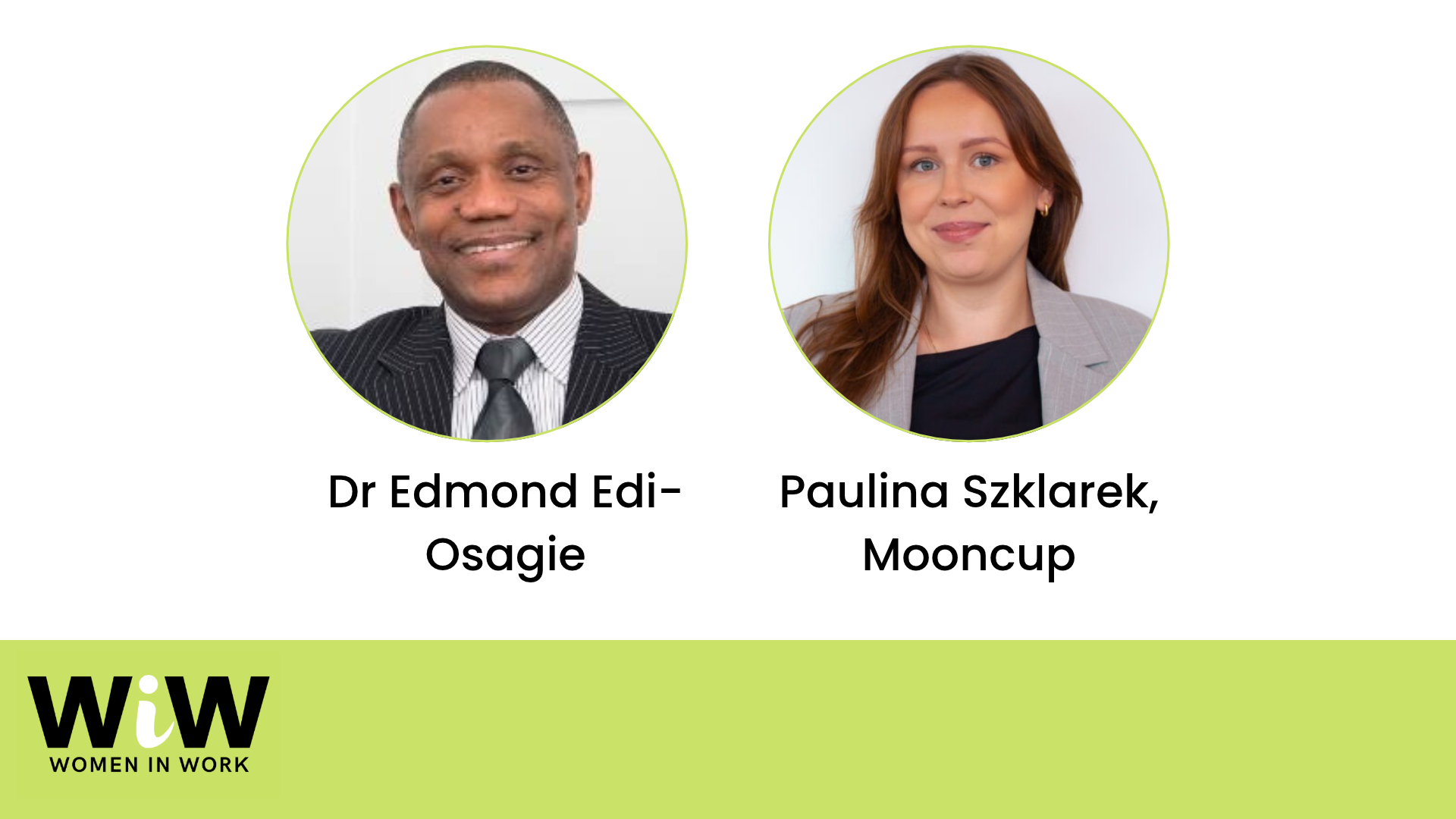
Paulina Szklarek – Mooncup
Dr Edmund Edi-Osagie – Aurora Healthcare
Why are periods still such an embarrassing subject to discuss at work?
Paulina Szklarek spoke about the stigma surrounding menstruation and how embarrassment can stop employees asking for simple adjustments, such as starting work a little later when experiencing severe period pain. She encouraged employers to make menstrual health part of everyday workplace conversations.
Dr Edi-Osagie explained how conditions such as endometriosis, adenomyosis and PCOS can affect far more than someone's period, causing pain, fatigue and other symptoms that can make working difficult.
Sophie shared her experience of living with severe endometriosis for years before receiving a diagnosis, managing pain, exhaustion and medical appointments while continuing to work. Many women spend years trying to understand their symptoms, and employers can make a difference by offering support while they're going through that process.
What employers can take away: Make periods something people can talk about without embarrassment. Provide period products and suitable facilities, offer flexibility when symptoms are difficult and take employees' concerns seriously, whether or not they have a diagnosis.
Fertility at Work: The Reality Behind the Treatment
Speakers:
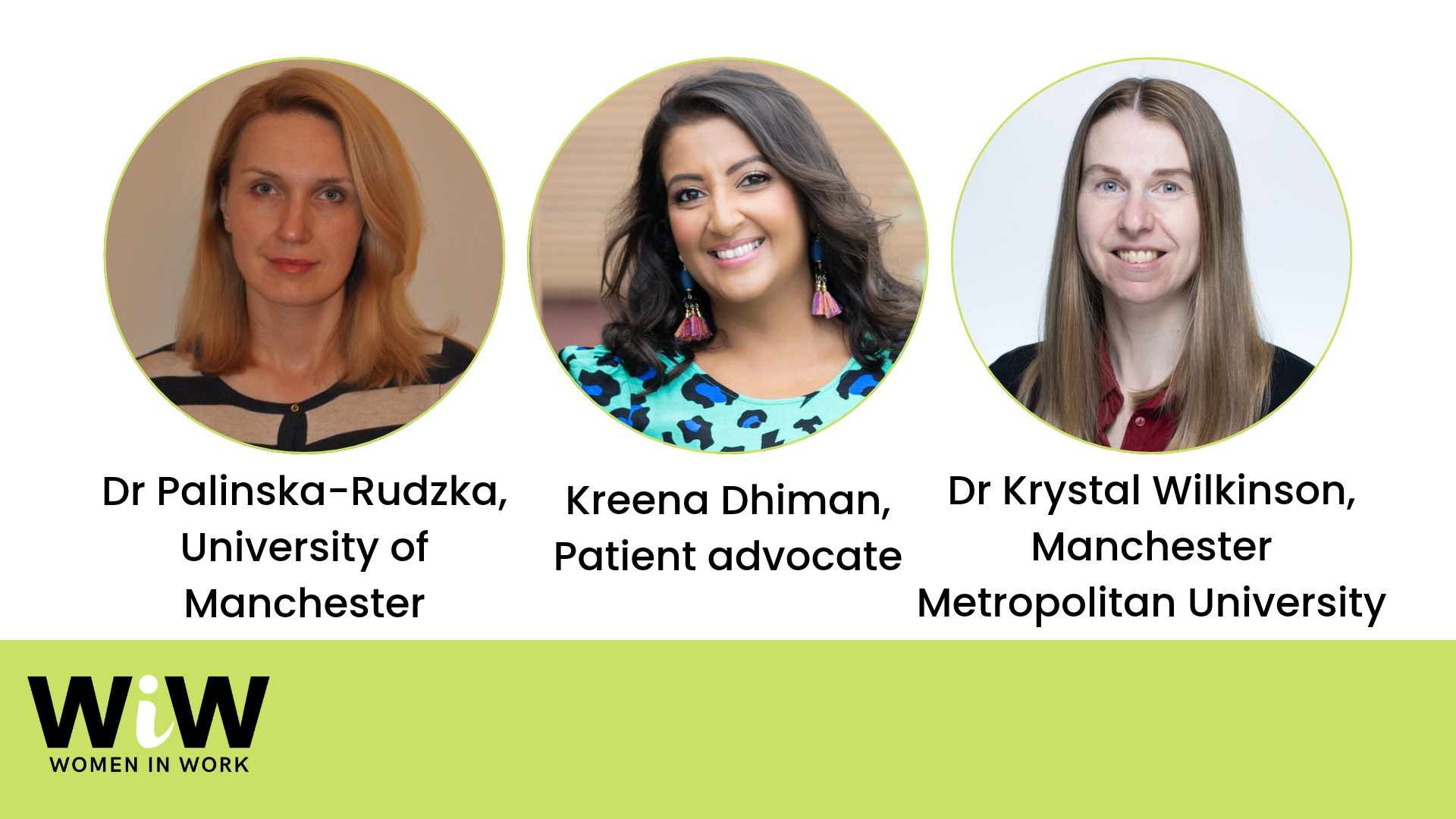
Dr Karolina Palinska-Rudzka – University of Manchester
Dr Krystal Wilkinson – Manchester Metropolitan University
Kreena Dhiman – Patient Advocate
Fertility treatment involves far more than attending a few medical appointments.
Dr Karolina Palinska-Rudzka explained how investigations, medication, scans, procedures and recovery can affect someone's working life. Treatment schedules are often unpredictable, and an unsuccessful cycle can take a considerable physical and emotional toll.
Dr Krystal Wilkinson shared research involving 80 people navigating complex fertility journeys. She highlighted the amount of time and effort involved in researching options, organising treatment, managing finances and dealing with uncertainty, sometimes over several years.
Krystal also spoke about the difficult decision employees face about whether to tell their employer, how much to share and whether it could affect their career.
Kreena Dhiman shared her journey to motherhood through donor conception and surrogacy, including coordinating treatment overseas and later caring for her premature babies in neonatal care. Her experience showed how workplace policies can overlook people taking different routes to parenthood.
What employers can take away: Think beyond IVF appointments. Support should cover investigations, treatment, recovery, unsuccessful cycles, partners and different routes to parenthood. Flexibility is particularly valuable when appointments and treatment plans change at short notice.
Miscarriage and Pregnancy Loss: Compassion in Practice
Speakers:
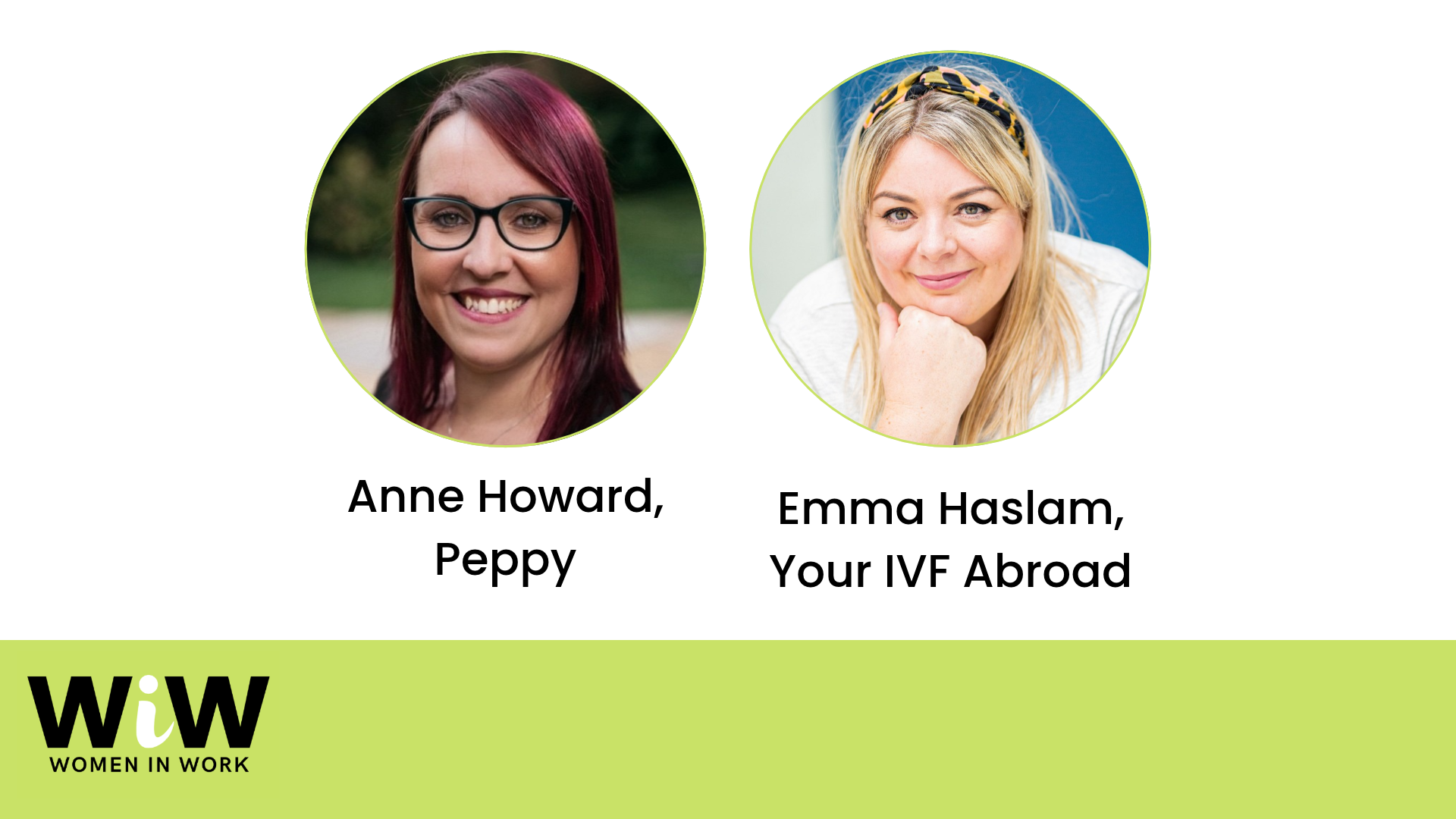
Anne Howard – Deputy Director of Nursing, Peppy
Emma Haslam – Your IVF Abroad
Emma Haslam shared two very different experiences of miscarriage while working for different organisations.
In the first, she was afraid that telling her employer might affect her career. She continued working without support and eventually left the organisation.
Her second experience couldn't have been more different. Despite a more traumatic loss, she felt able to talk openly with her employer, who offered counselling, flexibility and time off. She was also invited to help develop a fertility policy and stayed with the organisation for many years.
Anne Howard explained that pregnancy loss affects people physically and emotionally, and that everyone experiences grief differently. She discussed compassionate leave, access to specialist support, returning to work and the importance of recognising partners' experiences too.
The discussion also covered how managers can stay in touch without putting pressure on someone to return before they're ready.
What employers can take away: Ask what support someone needs rather than making assumptions. Offer flexibility, respect confidentiality and remember that grief and recovery don't follow a timetable. How an employer responds can have a lasting effect on whether someone feels valued and supported at work.
What Leading Employers Are Doing Differently
Speakers:
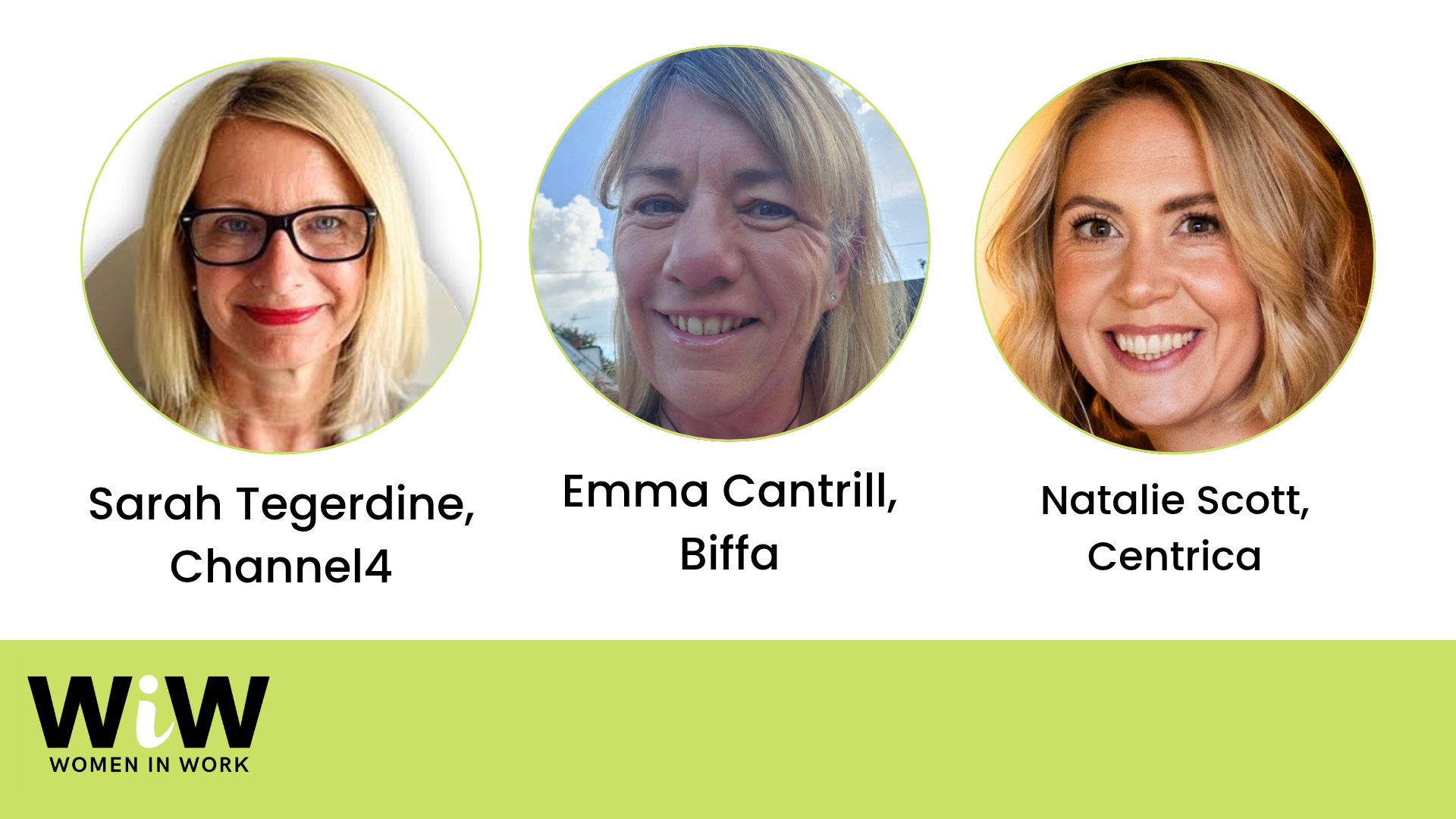
Sarah Tegerdine – Channel 4
Natalie Scott – Centrica
Emma Cantrill – Biffa
We finished our panel discussions by hearing how three organisations are putting reproductive health support into practice.
Sarah Tegerdine, Channel 4, spoke about creating a workplace where employees feel comfortable asking for help. Channel 4's fertility policy recognises that employees may need compassionate leave following unsuccessful treatment, giving them time to grieve rather than having to use annual leave.
Natalie Scott, Centrica, shared how employee-led networks have helped shape the organisation's fertility policies and benefits. She discussed the importance of leadership support, financial benefits and making sure employees know what help is available to them.
Emma Cantrill, Biffa, explained the challenges of supporting a workforce of around 12,000 people, including thousands of frontline employees without access to work email. Flexible working looks very different for someone in an office compared with someone driving an HGV or working shifts, so managers need to find practical solutions that work for different roles.
Emma encouraged employers to focus on what can be done, rather than what cannot.
What employers can take away: Involve employees in shaping support, communicate policies and benefits clearly, and give managers the confidence to make practical adjustments. Make sure support reaches everyone, including frontline and shift workers.
What We Took Away From the Forum
Laura Biggs and Sophie Sulehria closed the afternoon by reflecting on the conversations and what employers can do next.
Throughout the Forum, we heard how reproductive health can affect someone's wellbeing, confidence, attendance and career progression. We also heard how much difference a supportive employer can make.
From managing painful symptoms and unpredictable fertility appointments to coping with unsuccessful treatment or pregnancy loss, employees may be dealing with far more than their colleagues realise.
The good news is that improving support doesn't have to involve huge changes or big budgets. A series of small, practical improvements can make a real difference.
So where can employers start?
Start the conversation. Make reproductive health part of everyday workplace wellbeing so people feel comfortable asking for help.
Review your policies. Check what support is already available, where the gaps are and whether employees know how to access it.
Support your managers. Give them the confidence to listen, respond appropriately and understand what adjustments they can offer.
Be flexible. Small changes to working hours, appointments or workloads can make a big difference.
Respect privacy. Employees should be able to access support without sharing more personal information than they wish.
Think about the whole journey. From menstrual health and fertility investigations to treatment, pregnancy loss and different routes to parenthood, support needs to reflect people's individual experiences.
One message came through in almost every conversation: a policy is a good starting point, but it's how that policy works in practice that matters.
Employers don't need to have all the answers. They can start by listening to their people, understanding what they need and making small changes that build a more supportive workplace over time.
A huge thank you to all our speakers for sharing their expertise, research and personal experiences, and to everyone who joined us.
We hope the Forum has given employers ideas they can put into practice, whether that's reviewing an existing policy, starting a conversation with their teams or introducing one small change.
Because when employees feel understood and supported, everyone benefits.
Good for women. Good for business.
Missed the Forum or want to revisit a session? All the conversations are available to watch on demand.
Please share the recordings with your HR teams, managers and colleagues. The more people we bring into these conversations, the more progress we can make.